
Enough Is Enough
A crack does not appear on the day a building fails. It appears first, quietly, on a wall someone walks past every day — a teacher, a clerk, a parent dropping off a child. Nobody is hiding it. Nobody is lying about it. There is simply no architecture in place that turns "I noticed something" into a signal anyone is required to act on — until the day there is no time left to act on it.
This is not a story about one government, one country, or one investigation. It happens on every continent that sits near a fault line, a flood plain, or a coast. It happens anywhere a structural inspection depends on someone remembering to schedule it, rather than a system that catches the drift on its own. Enough is enough — not as an accusation aimed at anyone in particular, but as a plain statement of what has been technically possible for far longer than anyone has been willing to build it.
No geography. No legislation. Works for any country on the Ring of Fire, or any fragile operating environment, anywhere.
The argument that follows does not depend on electricity, a data connection, or a procurement cycle. It does not require a tender, a budget line, or a ministry decision before the first record can be collected. It requires a pen, a printed form, and a QR code — and it can start today, in the field office that has the problem, regardless of what infrastructure does or does not yet exist around it.
The field record is paper. It works in the field office that has never had reliable power, exactly as well as the one that has.
Records accumulate offline. A signal only needs to reach the nearest connection point once a week, not the inspection site at all.
Nothing here waits on a budget approval, a tender, or a ministry sign-off. The first form can be filled in this week.
What This Actually Looks Like

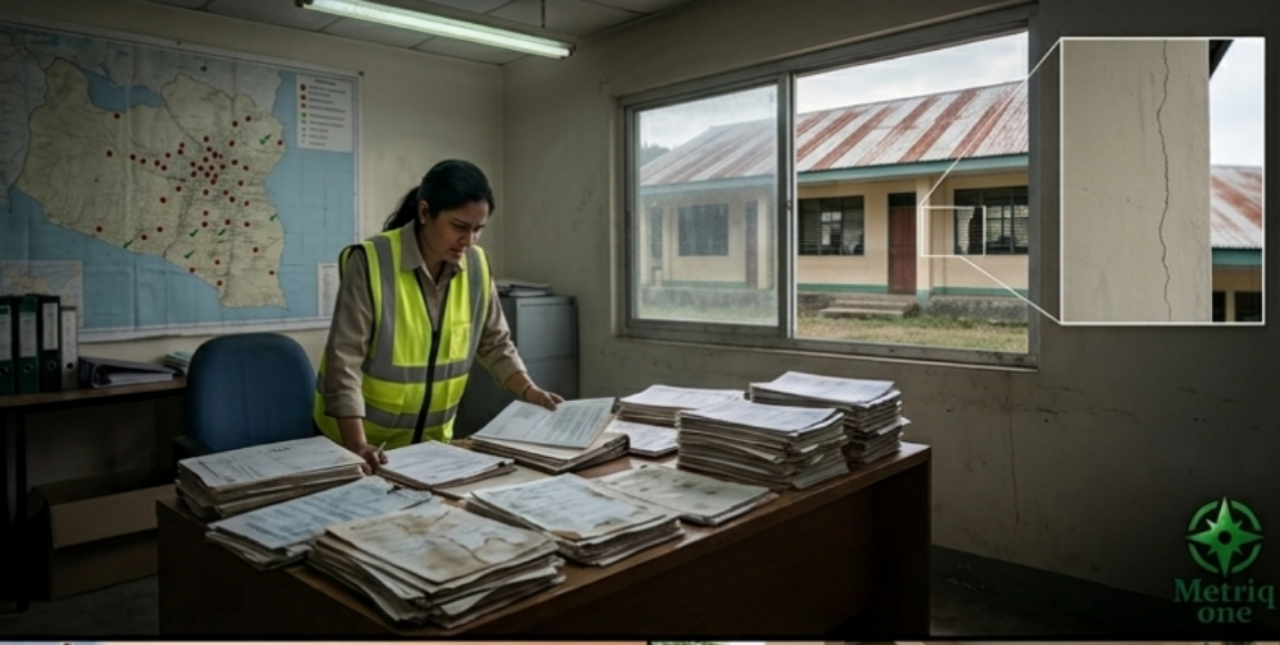


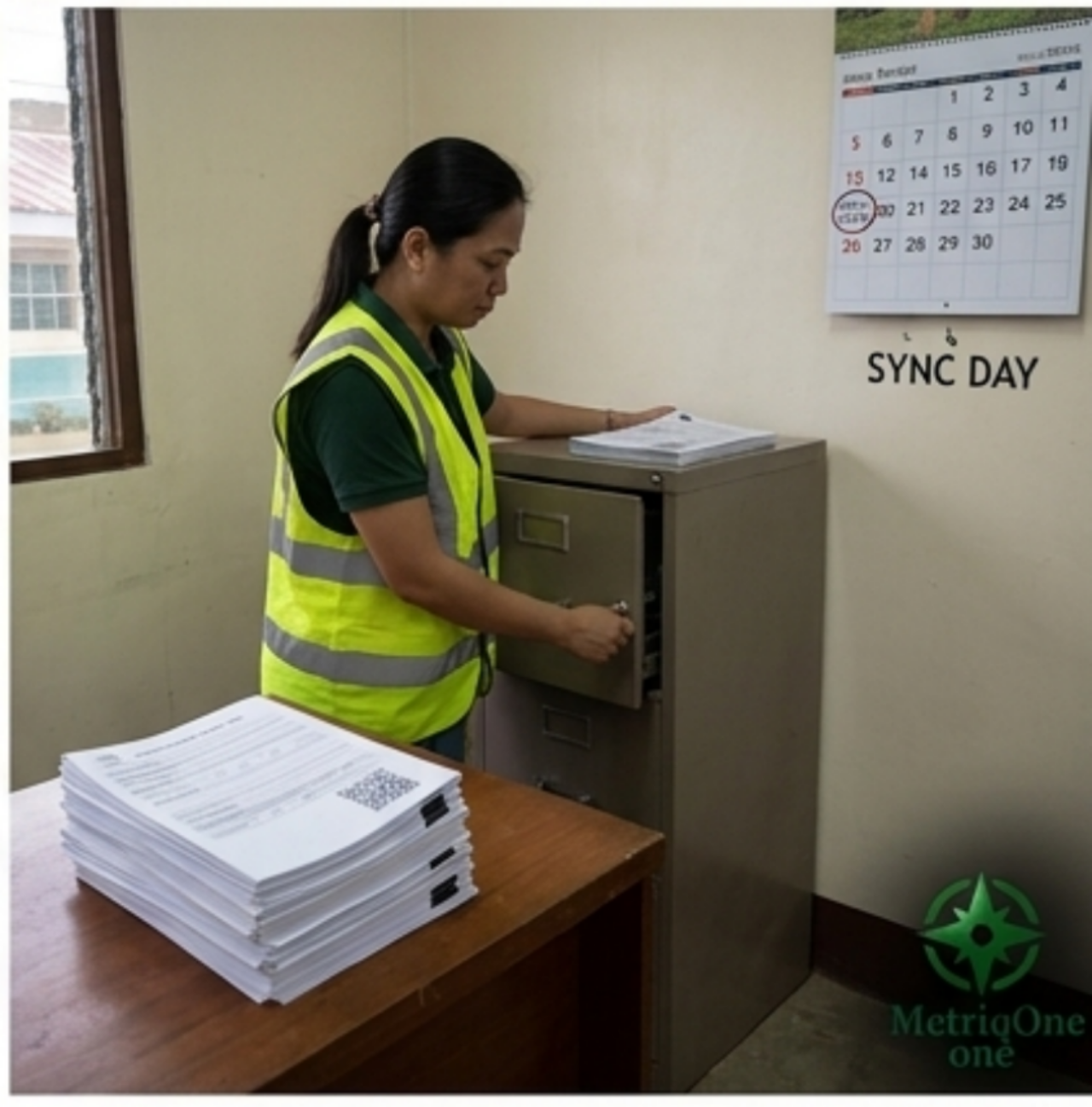
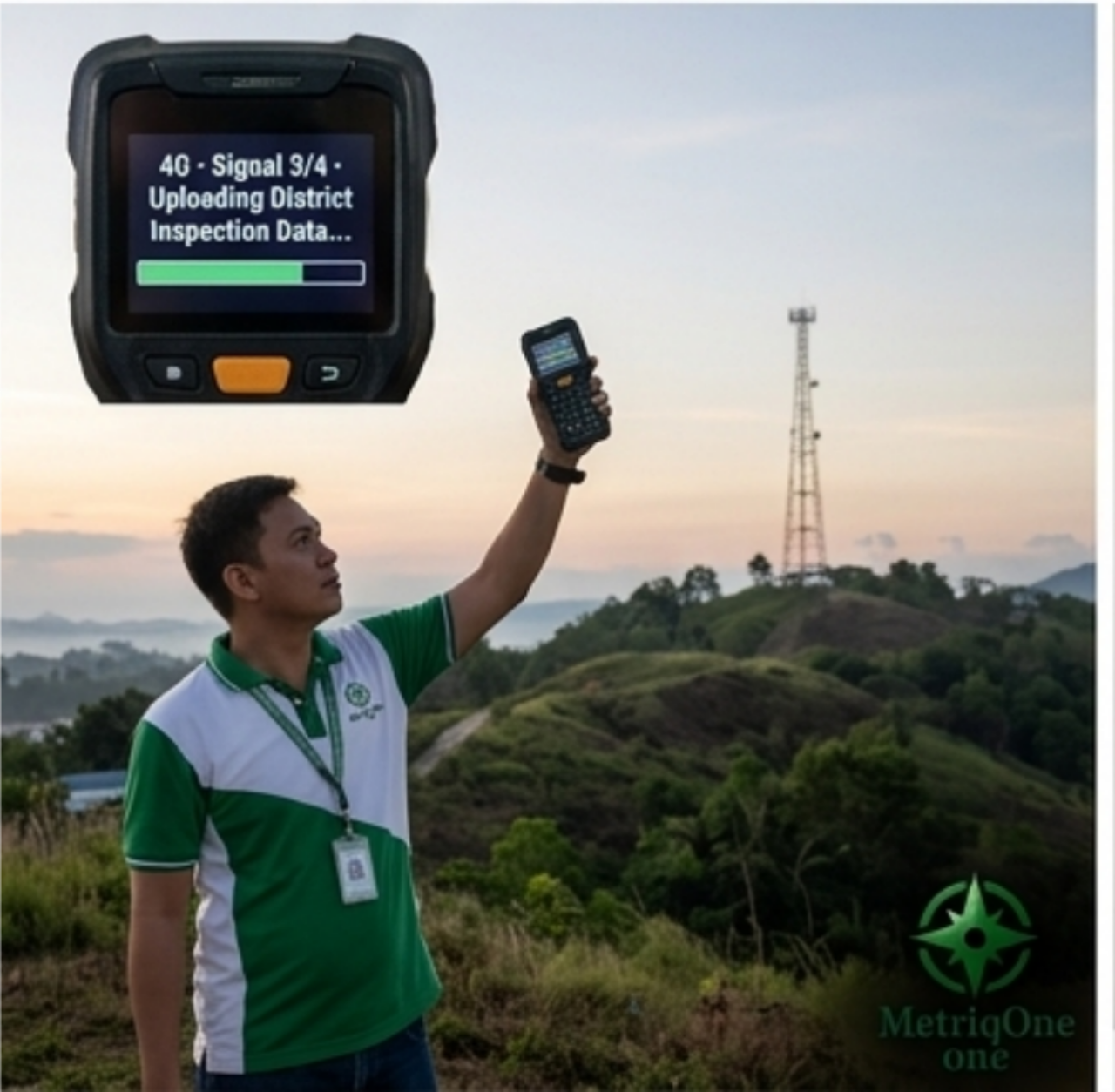
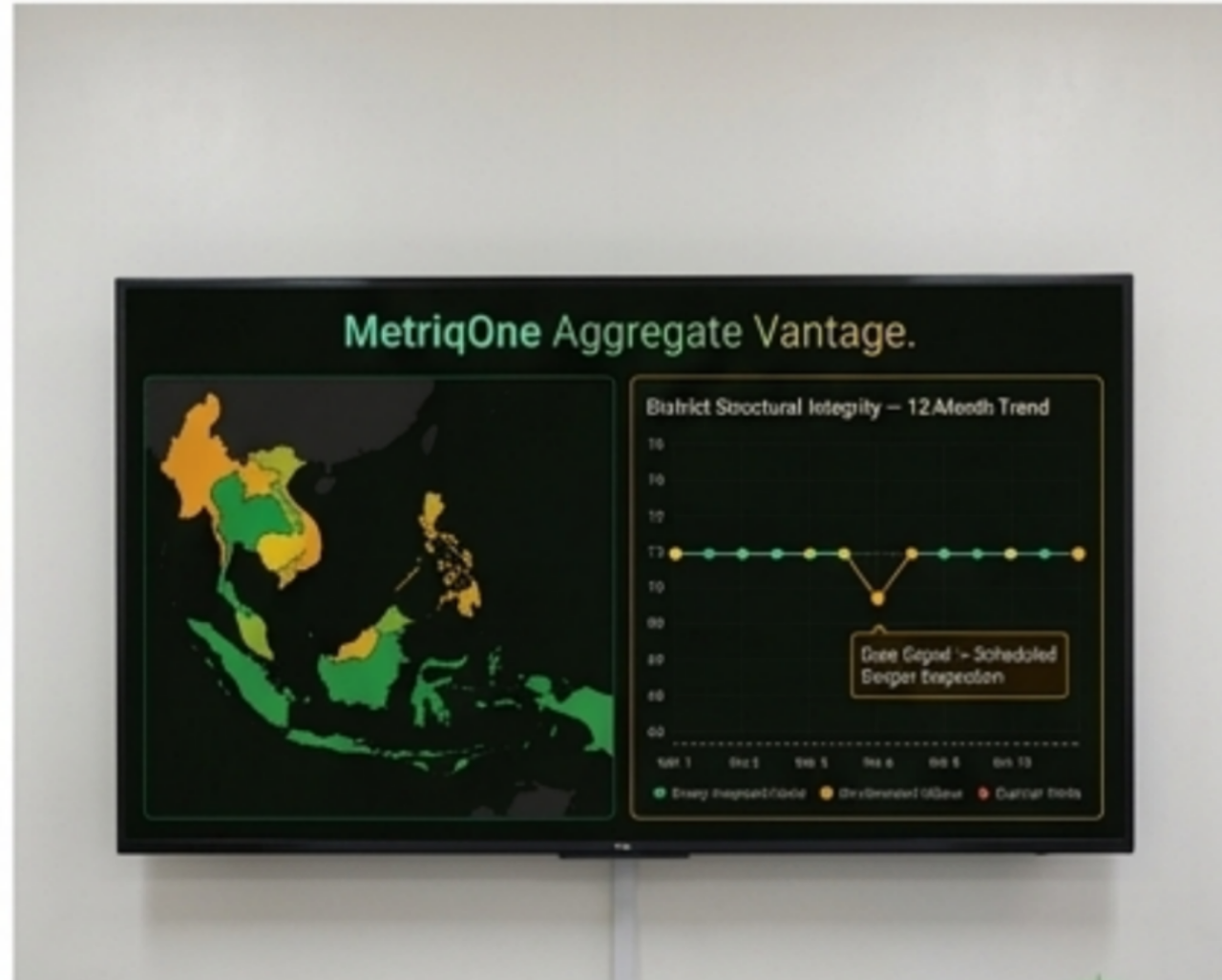
Nothing about this sequence required a satellite, a grant, or a foreign contractor. It required someone to decide that a crack noticed today deserves a record today — not a memory that fades until the building everyone already worried about is the one on the news.
The fault line does not care which government is in office. The flood plain does not check anyone's budget cycle first. The only variable anyone actually controls is whether the crack gets written down the day it is noticed, or the day it is too late to matter.
This architecture deploys on paper, runs on a weekly sync, and requires nothing from the surrounding infrastructure that is not already there. It works in the field office that has never had reliable power, exactly as well as the one that has.
See the Mechanism WorkingMetriqOne · Evidence without noise · metriq.one