ASEAN Cooperative & Public Sector Deployment
Field observation from cooperatives and local public-sector offices operating in the same low-connectivity Southeast Asian environments. The same paper form, the same QR code, the same weekly signal — used identically whether the operator is a cooperative member or a government field office. No app store. No smartphone required. No separate system for the public side and the private side.
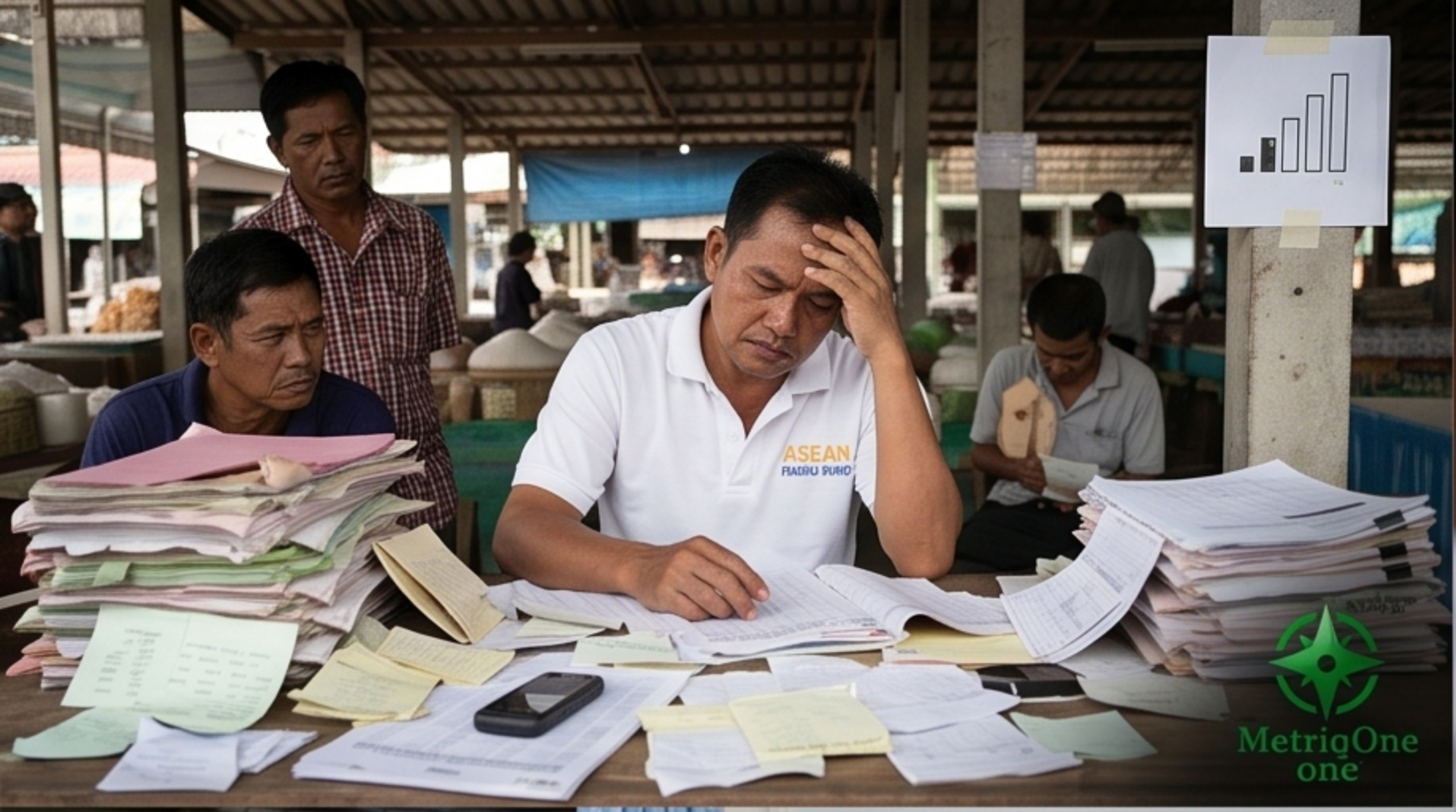
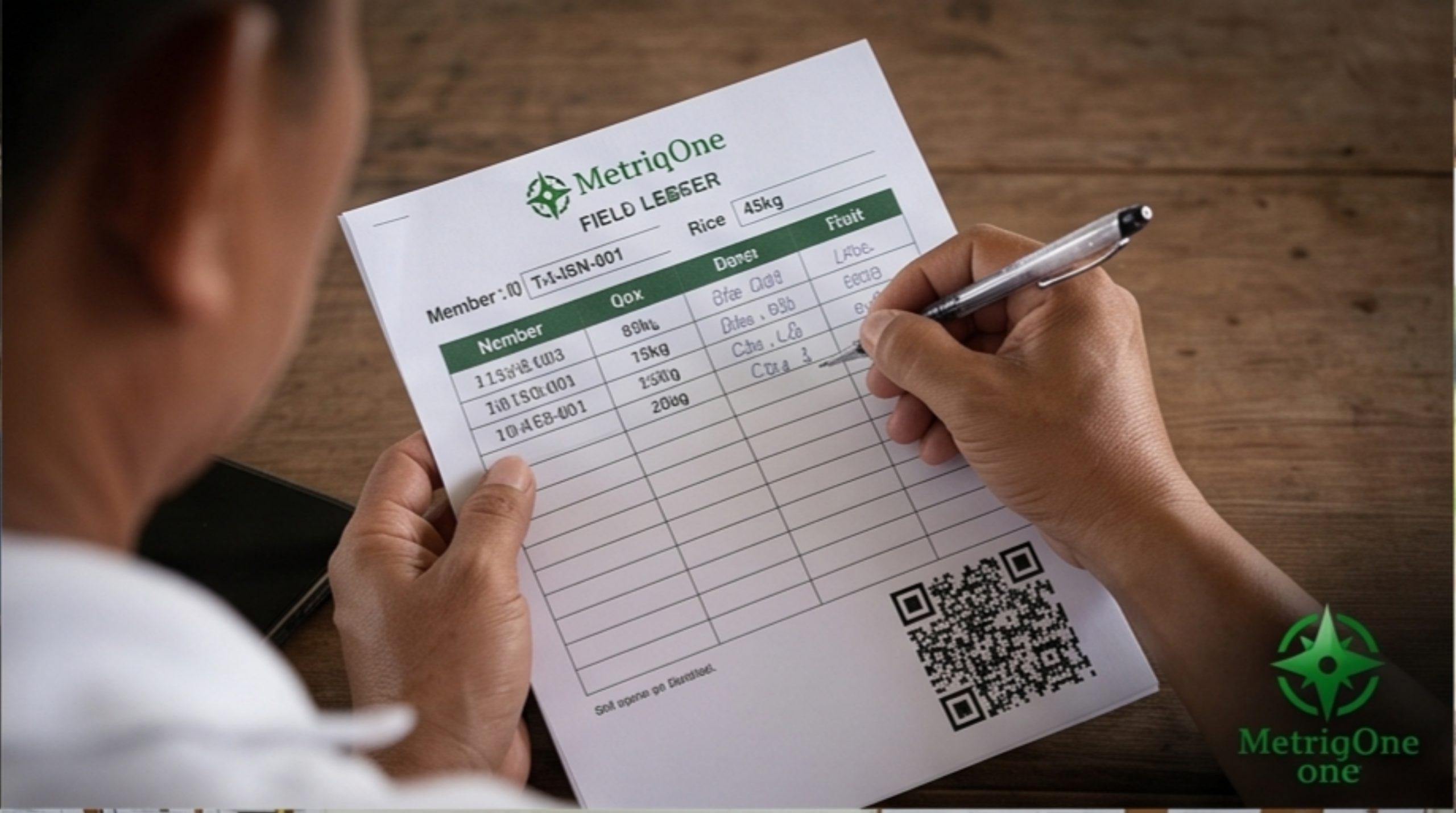
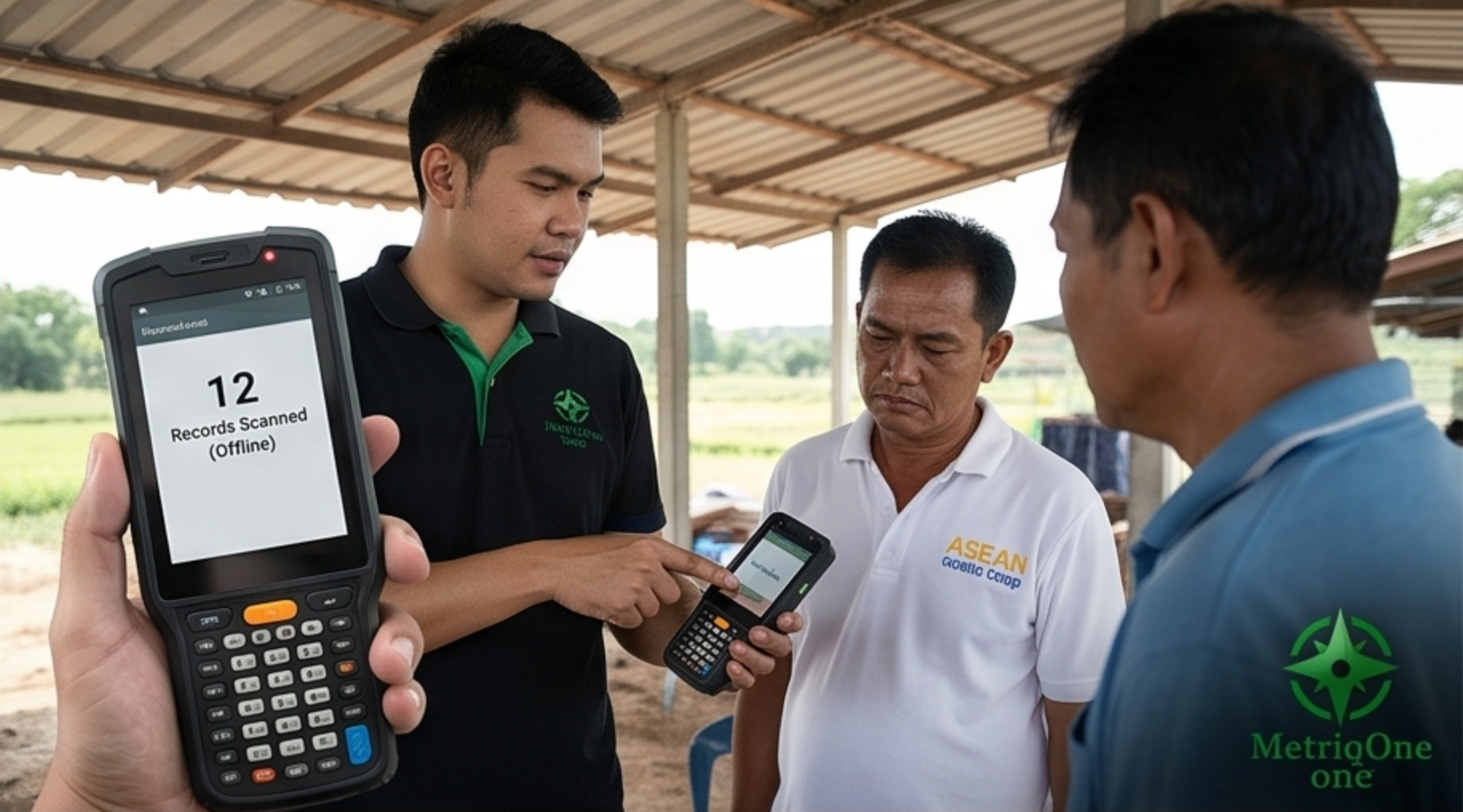
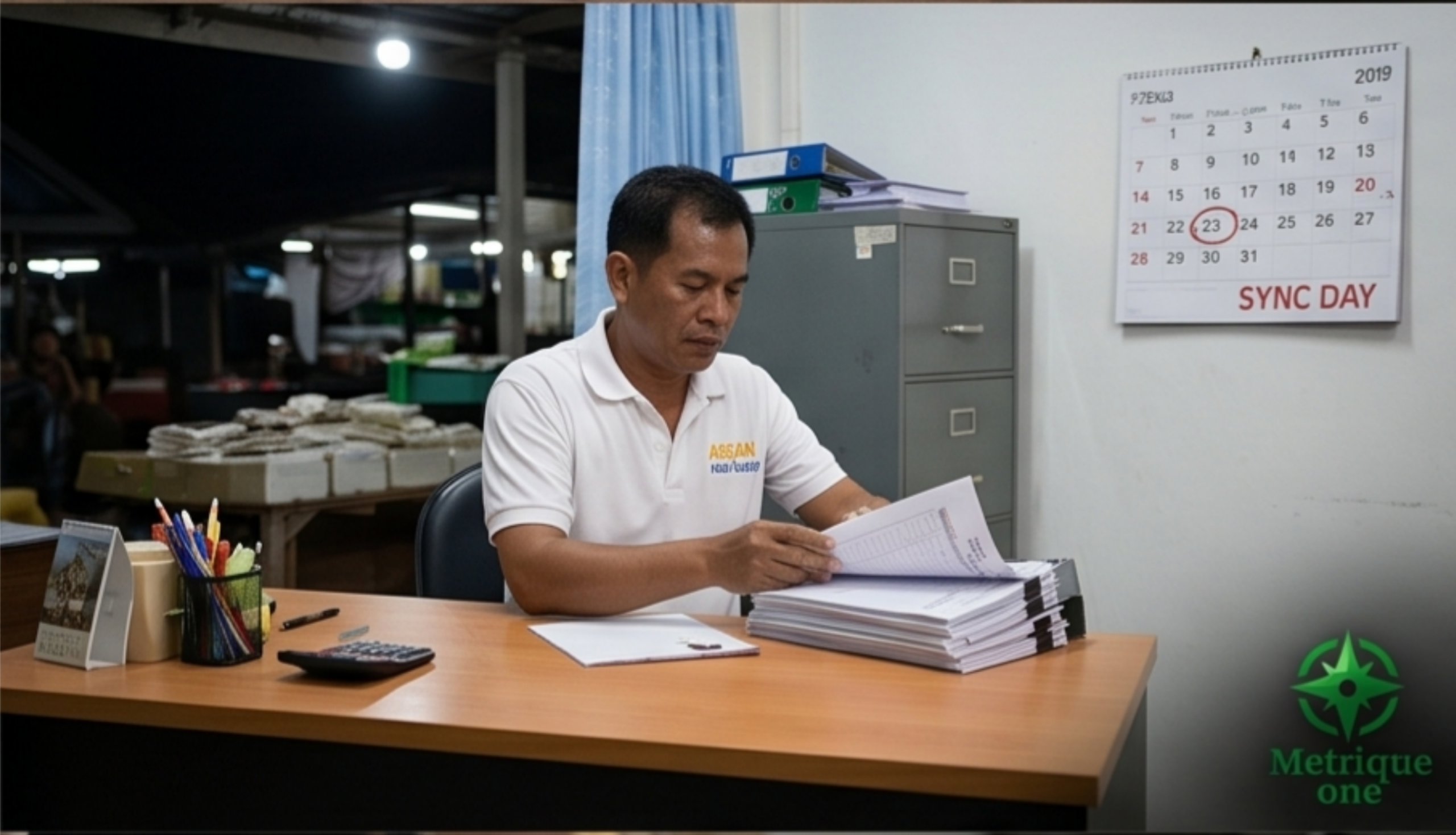
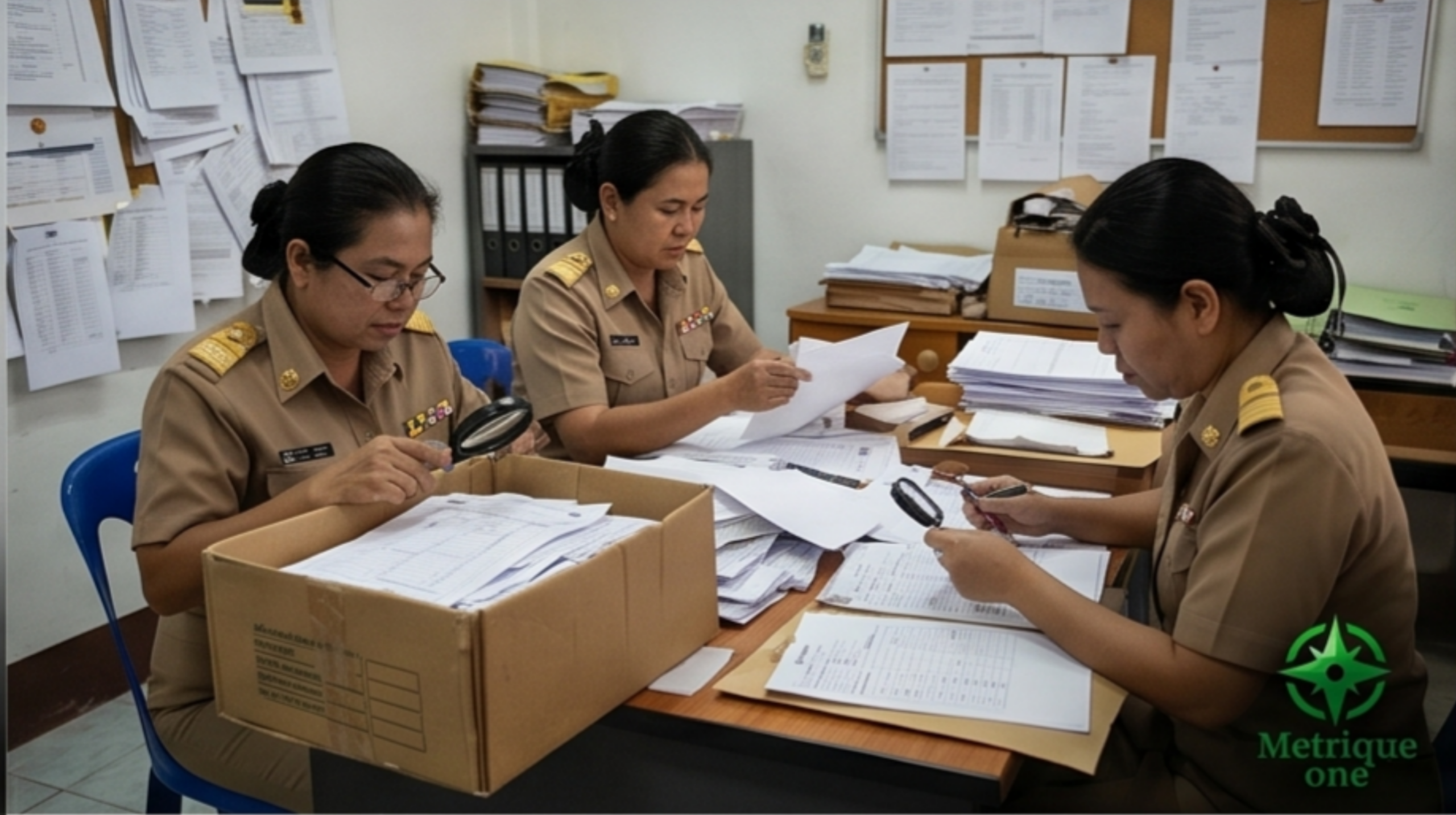
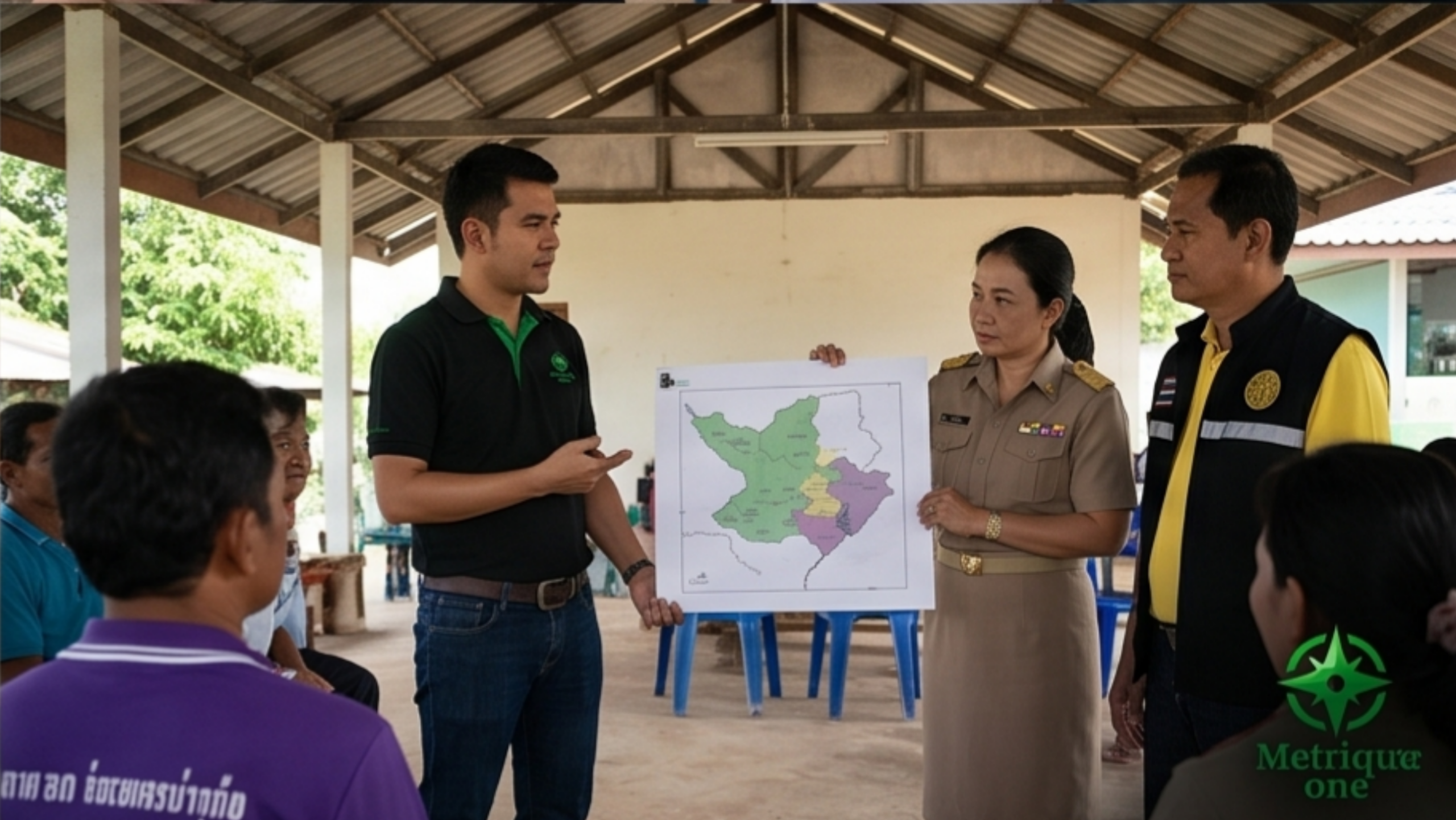
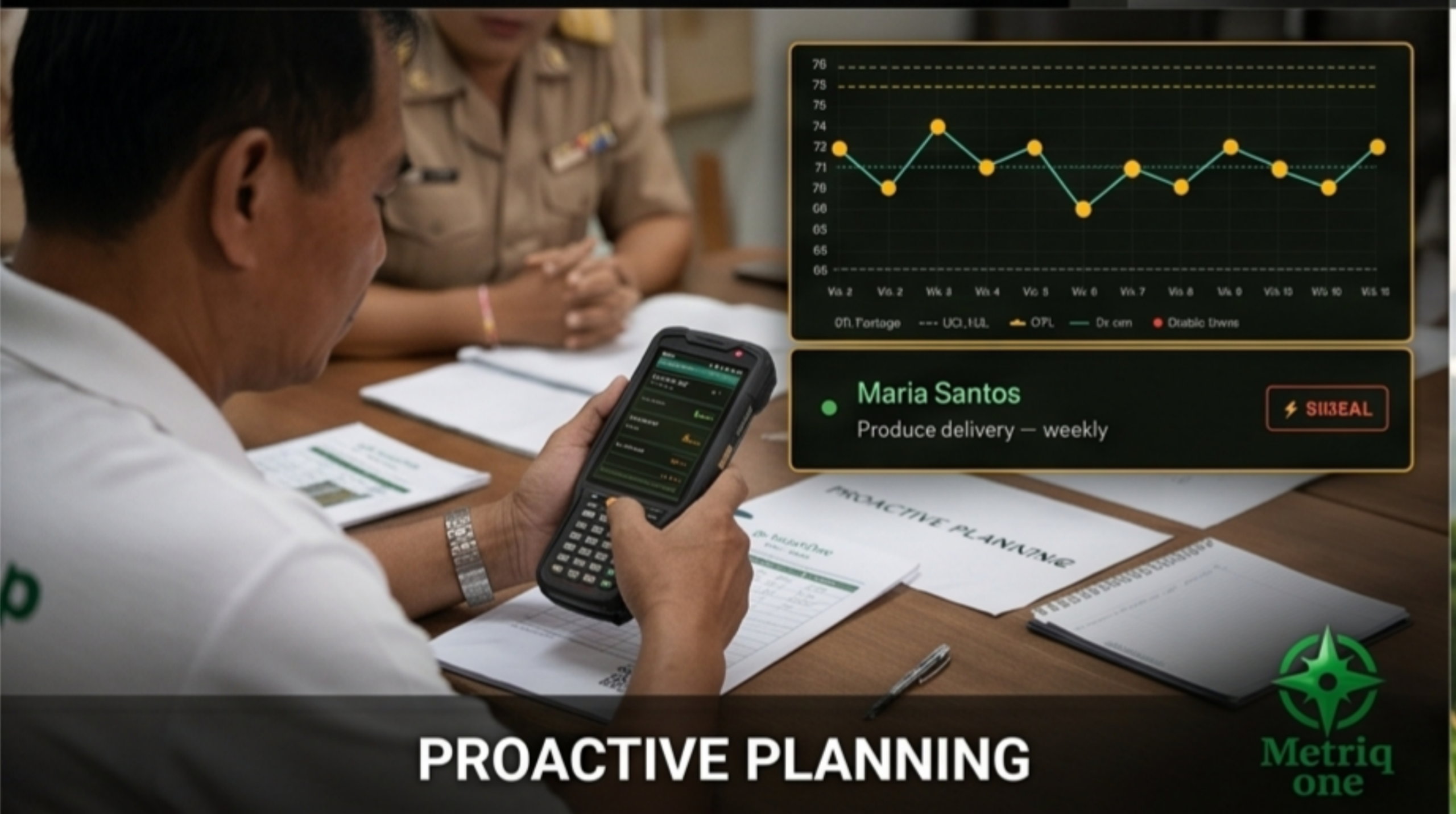
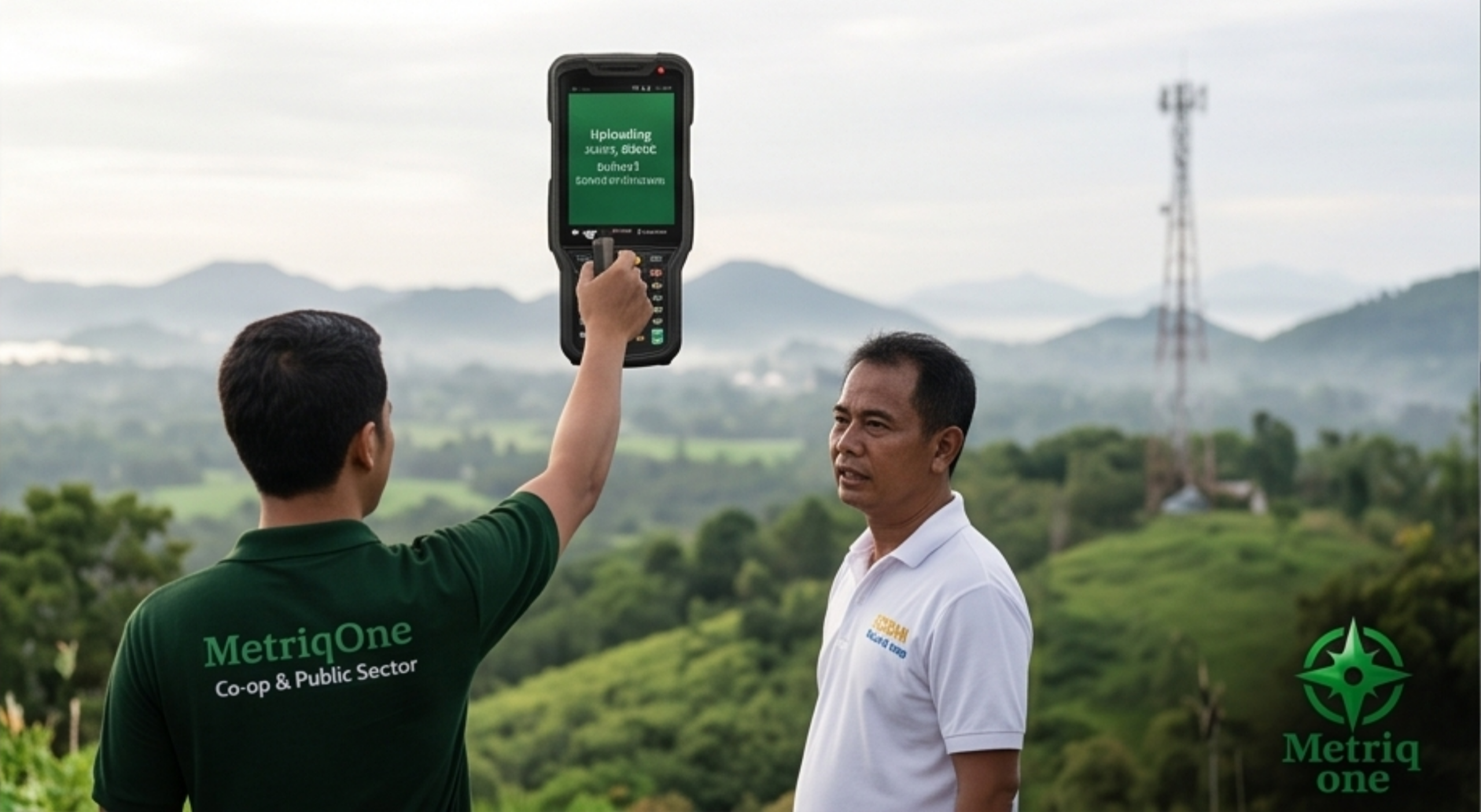
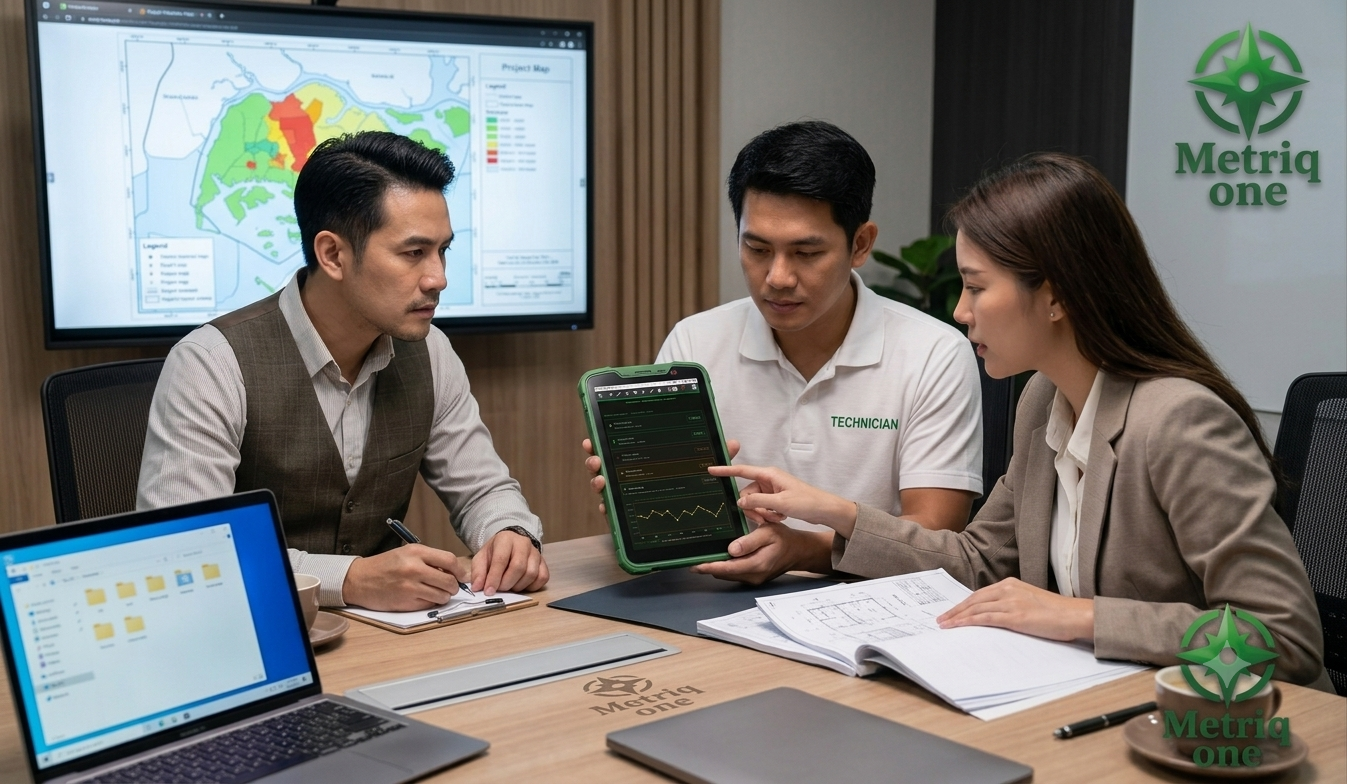
This is the same paper-layer-first principle that runs through every MetriqOne deployment: the field record comes first, requires nothing more than a pen and a printed form with a QR code, and survives a lost phone or a forgotten password without losing a single entry. Connectivity is the travel layer, not the foundation — and the same procedure works whether the hand holding the pen belongs to a cooperative member or a public-sector field officer.
What Just Happened, In Plain Terms
- Before: activity exists only as loose paper, scattered across notebooks, ledgers, and memory — whether it belongs to a cooperative member or a local government office. Nothing can be checked against anything else.
- A single printed form with a QR code replaces the notebook. The operator fills it in with a pen, the same way they always have — nothing new to learn, no device required at the point of recording.
- A coordinator scans the QR code with a rugged handheld scanner — no smartphone, no app, no data plan, built to survive heat, dust, and drops in the field.
- Forms accumulate in secure storage at the cooperative office or the public-sector field desk. A fixed Sync Day keeps the rhythm predictable for everyone involved.
- Every record belongs to the TIN that generated it. When the cooperative chooses to release evidence to a public-sector partner, the partner receives the identical record format the cooperative produced — never raw access, only what has been released.
- Cooperative members and public-sector field staff sit in on the same training, each picking up something from how the other already works — the same simple method happens to suit both, for different reasons.
- What gets reviewed is the signal — a tracked reading over time — not a year-end narrative written after the fact and difficult to check against anything.
- Once a week, the accumulated signal travels to the nearest connectivity point. This is the only step in the entire chain that needs a network at all.
- Sovereignty over the record stays exactly where it should: with the TIN that produced it. Whether the evidence goes to a bank, a donor, or a public-sector partner, the cooperative decides what is released, and when — never the other way around.
What This Actually Proves
Bank Loan Applications
A field-confirmed signal history replaces a self-written summary as collateral for a credit decision.
Public Sector Budget Justification
A local office can show a continuous field signal instead of a year-end report assembled after the budget cycle has already closed.
Bulk Supplier Negotiations
Consistent, verifiable output volume gives a cooperative real leverage in a supply contract, not just a verbal claim.
Donor & NGO Reporting
Programme funders increasingly ask for field-level evidence, not narrative reporting. This is the layer that produces it — for both sectors, from the same record.
One Shared Signal Chain. No Separate System for Either Side.
The Cooperative tier is built for exactly this deployment — self-signup, member operators registered by phone or QR code, no WordPress login required for any member. Public-sector deployments follow the same Mission Context Architecture, with sovereign ownership of the evidence resting with the TIN that produced it.
View the Cooperative TierMetriqOne · Evidence without noise · metriq.one