This article focuses on community and local-government contexts in emerging economies. MetriqOne works everywhere — this is one of the places it matters most.
रिबन काटा जाएगा। फिर— सन्नाटा छा जाएगा।
When the price of onions doubled, the government signed a law.
When pork became unaffordable, the government signed a law.
RA 12022 — the Anti-Agricultural Economic Sabotage Act. Life imprisonment for hoarding. Life imprisonment for smuggling.
Politically, powerful. Economically, it has not stopped a single mango — or onion — from rotting.
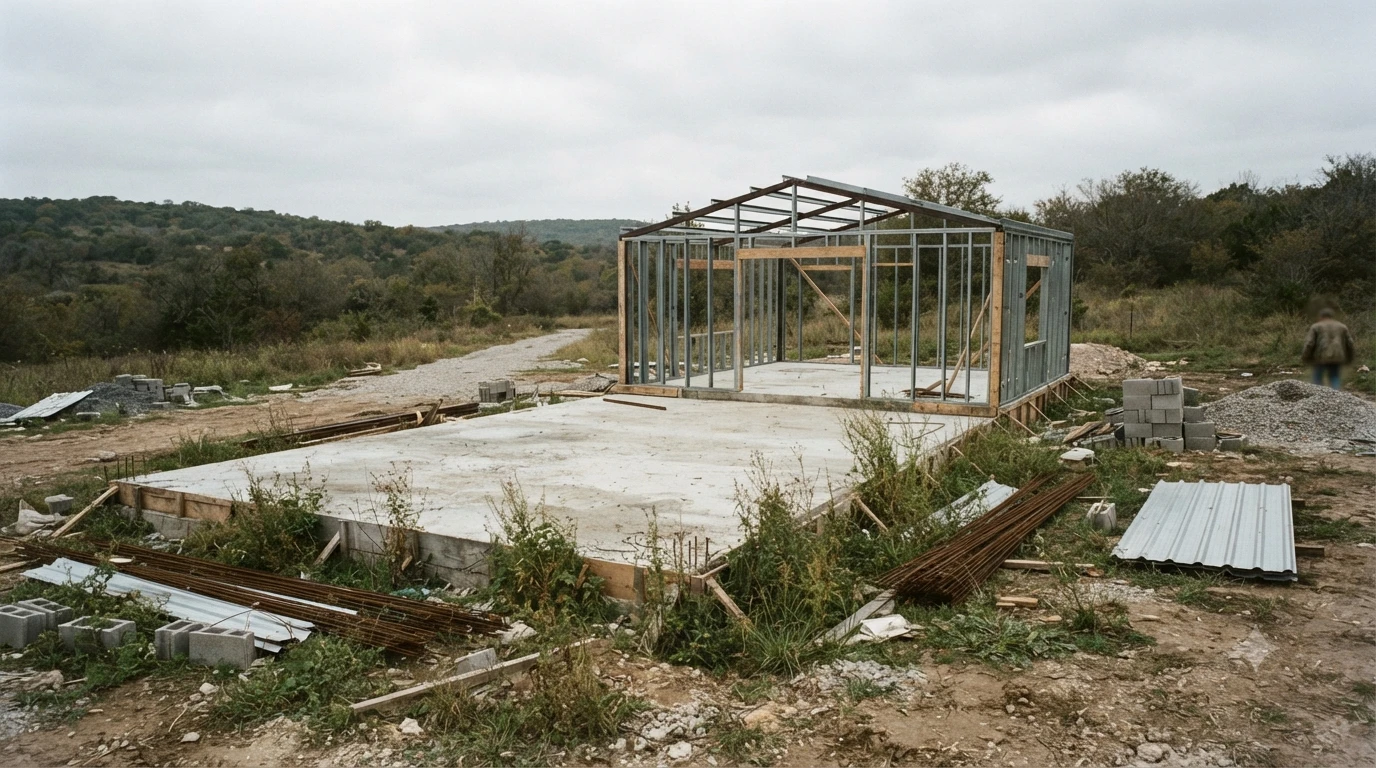
A law does not build a cold room
You cannot legislate supply and demand. A farmer loses a large share of the harvest before it ever reaches a buyer — not because of a smuggler in a warehouse, but because there is no cold storage near the farm, the road to market is broken, and the produce is dying before the truck arrives.
This is not a guess. An ADB-funded study by the Southeast Asian Regional Center for Graduate Study and Research in Agriculture (SEARCA) measured it directly, commodity by commodity, route by route.
The Department of Agriculture put a harder number on it in 2022: 100,000 metric tons of onions lost that year alone to the lack of proper postharvest facilities — almost 35% of the 283,172 MT harvested, against a national requirement of just 260,148 MT. The country came close to wasting enough onions to have covered its own shortfall.
So the government announced a building programme
₱3 billion allocated. Two types of facility.
Current status: unknown address.
This is not a surprise. The announcement is the deliverable. The building is optional. The ribbon-cutting is the finish line. It has always worked this way.
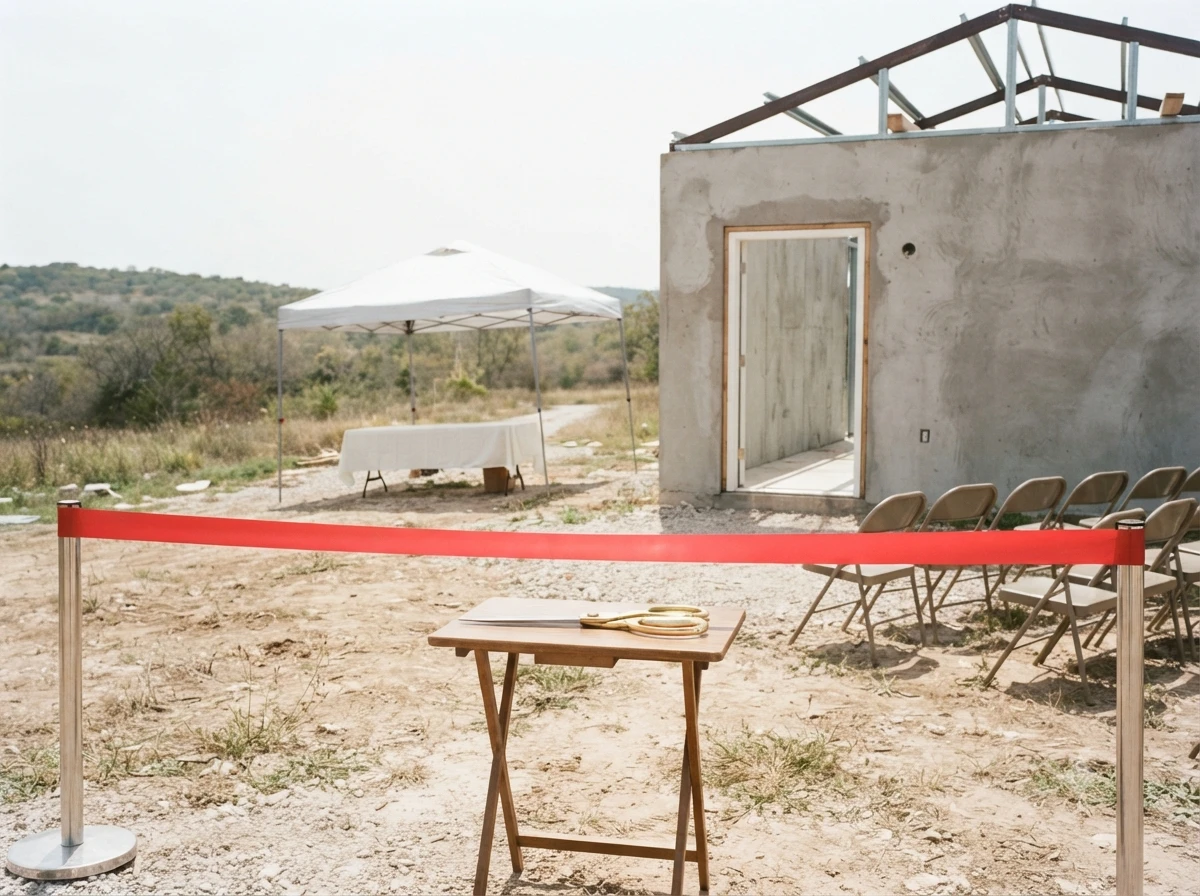
The photo gets taken. Then — silence.
Even if the building arrives
A modular unit holds 7,000 to 15,000 kilos. A cooperative that cannot consistently fill it cannot justify the operating cost of running it — electricity, maintenance, staff. A cold storage unit that sits half empty is not solving a problem. It is creating a new one.
Is our combined volume enough to make this unit economically viable?
That is not a question the DA asks. It is not a question the LGU asks. It is not a question in RA 12022. It is the question the cooperative has to ask itself — before the unit arrives, and every month after.
And then the deeper questions: is the farmer receiving more per kilo than before the cold storage arrived? Is postharvest loss actually down? Is income actually up? Does the cooperative know? Does the DA know? Does anyone know?
The tomato rotting in Cavite and the onion rotting under a freshly cut ribbon are separated by the same six missing systems — aggregation, processing, storage, logistics, market intelligence, and accountability. One is described in The Tomato in Cavite, the Paste From China. This is the same gap, at the scale of a national building programme.
Without measurement, nobody knows. The ribbon gets cut. The photo gets taken. The official shakes the farmer's hand. And then — silence.
The cooperative that measures breaks the silence. Not by feeling. Not by announcement. By numbers — tracked on paper, with a register and a pen, no internet required.
If the unit is working, keep going. If the volume is too low, find out why before the operating cost swallows the cooperative whole. If the price is not improving, find out why before the members drift back to selling alone.
This does not have to stay on paper forever. On MetriqOne, every tier's account carries this inside its Vantage Point — a Weekly Roundup and a Monthly Summary, generated on demand rather than on a fixed schedule. The signal does not sleep, so the report is there whenever it is needed: the last seven days, or the last month. For a cooperative under 25 members registering individuals as agents, it is the account holder who carries this — one person accountable for pulling the report, not every member separately.
One question. Asked every ribbon-cutting — not only when the cameras are there.
Is post-harvest loss actually down since the facility arrived — and who is tracking it?
If someone can answer that with numbers, the ₱3 billion is working.
If no one can, the ribbon gets cut, the photo gets taken, and the loss keeps repeating — unmeasured.
क्या इससे कोई फर्क पड़ता है? — इसे मापें!!