This article focuses on community and local-government contexts in emerging economies. MetriqOne works everywhere — this is one of the places it matters most.
The tomato in Cavite, the paste from China.
Tomatoes rot in Cavite.
Not far away, as distance is counted across this archipelago, a sardine cannery in Zamboanga buys its tomato paste from China.
Fish piles up at the landing site in Tawi-Tawi, the price falling by the hour. Two islands over, vegetables are the expensive ingredient — not the fish.
Former Agriculture Secretary Manny Piñol named this on DZRH's The Situation Report: food positioning. Not a shortage of food. A failure to move the right food to the buyer who needs it.
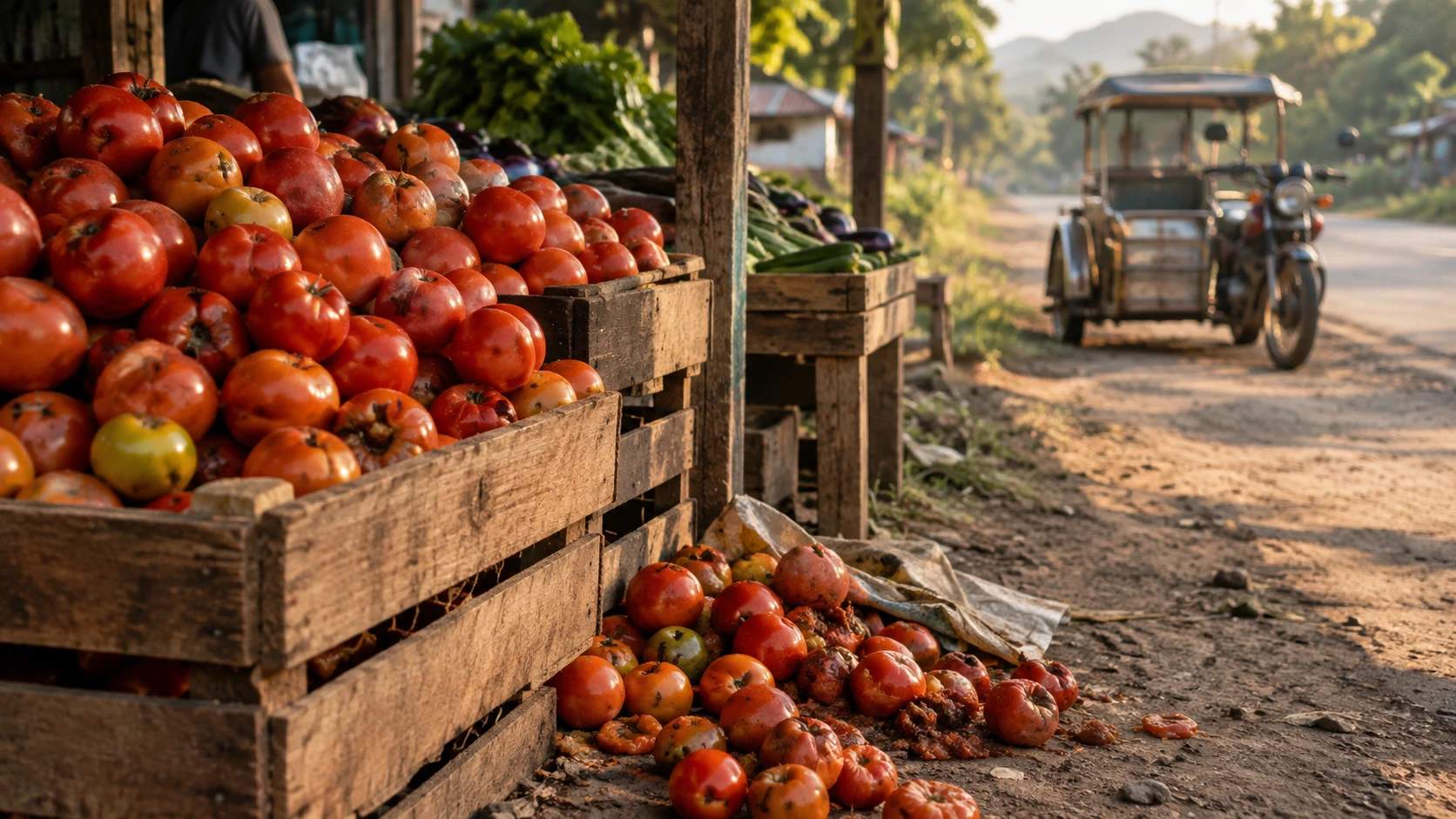
Where the harvest and the buyer never meet
Piñol's point was not the diagnosis. It was that the diagnosis has become the excuse. Calling it "food positioning" and stopping there lets the same harvest rot again next season, in the same province, for the same reason.
What most people missed
Piñol's question was not rhetorical. It was an inventory of what is missing between the field and the factory: who aggregates the surplus tomato? Who processes it to food-grade paste? Where is the cold storage? Where is the refrigerated inter-island transport? Where is the real-time production-and-demand information? And who is accountable when the same shortage repeats, year after year?
The tomato in Cavite and the cannery in Zamboanga are separated by six missing systems — not by distance.
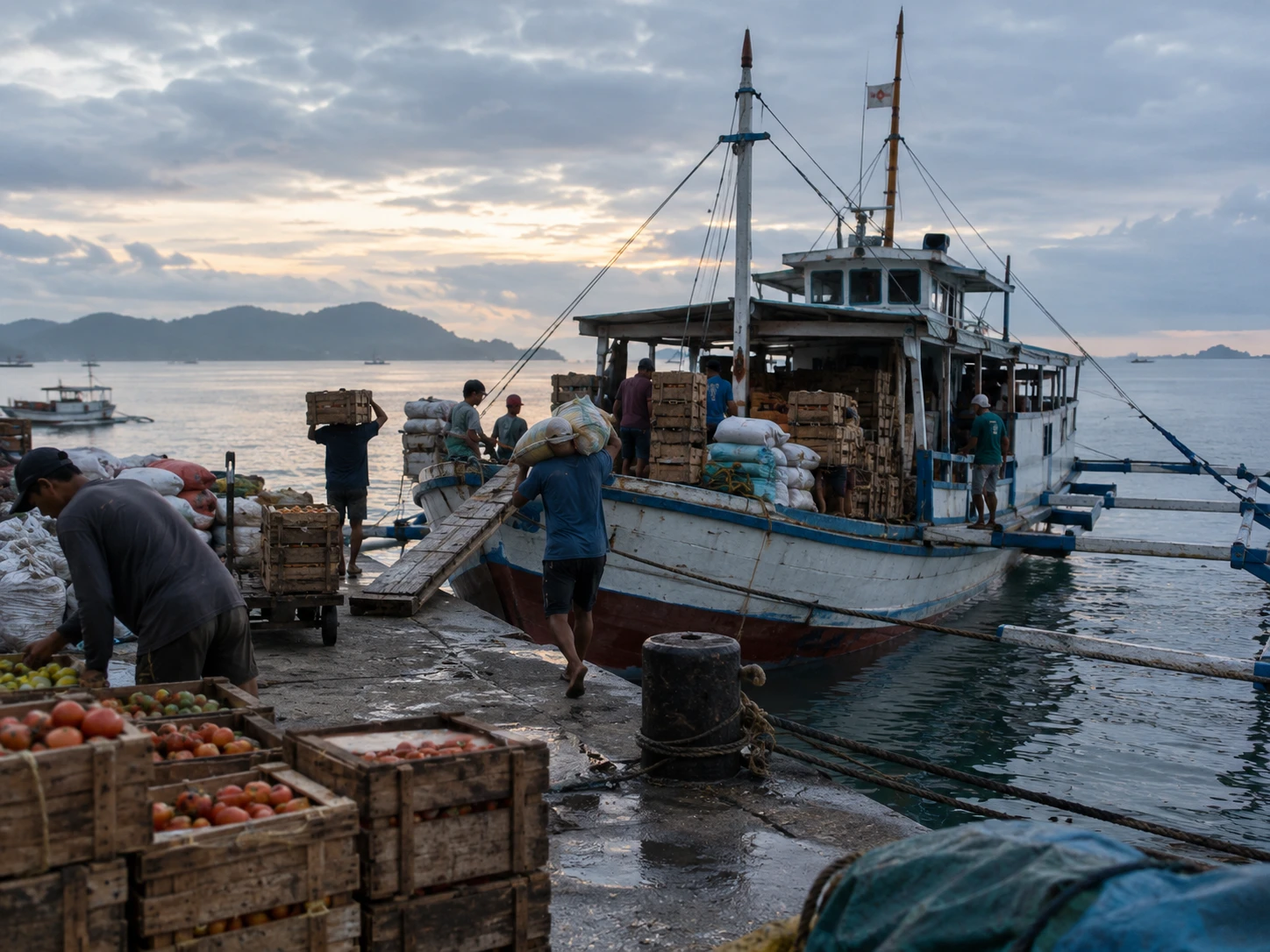
The cold chain that would have made the paste local
The fisherman in Tawi-Tawi and the market-goer two islands away are separated by the same six systems, applied to fish instead of tomatoes. Perishable goods do not swap for each other by decree. Moving the surplus to where it is needed takes processing capacity, quality standards, predictable volume, a competitive price, and a cold chain that does not break at the dock.
This is why "positioning" alone is not an answer. Positioning names the symptom. What closes the gap is ownership of the systems underneath it — and that ownership does not have to wait for a national programme. A cooperative federation, a municipal aggregator, or a private processor that takes responsibility for even one of these six systems changes what happens to next season's harvest.
One question. Asked every harvest — not only when it trends.
Who is accountable when the same shortage repeats, year after year?
If someone can answer that today, the six systems are being tracked.
If no one can, the diagnosis will be food positioning again next season — and nothing will have moved.
重要か? ― 測定してみよう!